

Cruise ship stabilizers are elements built into the ship to reduce its lateral motion (or roll). Although most cruise ships have a variety of active and passive design elements that work to provide a smoother ride for passengers, retractable wing-like stabilizers on the sides of the ship below the waterline are the type that the average passenger usually thinks of.
Let’s explore how different types of stabilizers work and how they help improve your cruise.
How do cruise ship stabilizers work?
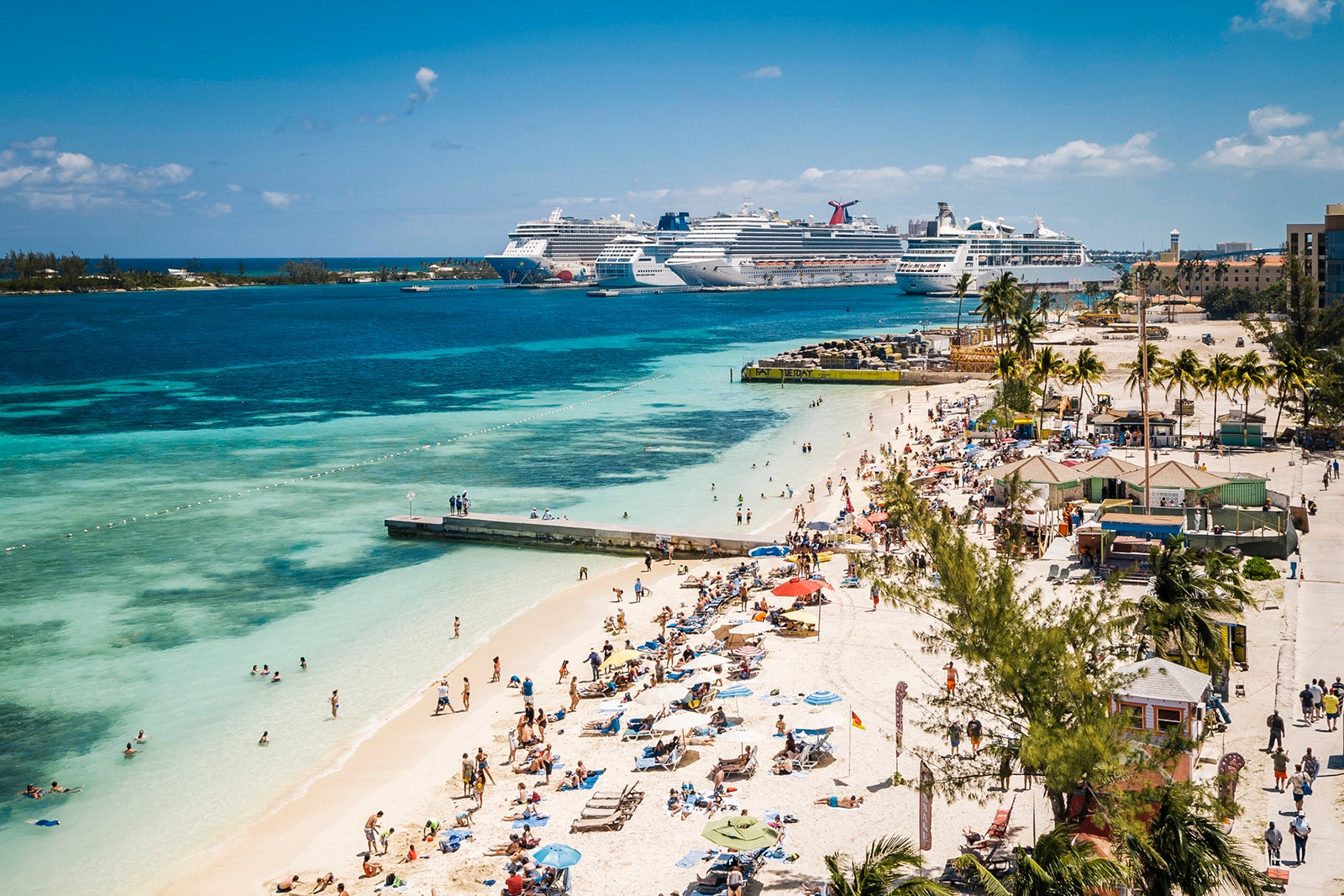
The stabilizers that first come to mind are fin-type stabilizers, which are considered active stabilizers because they must be deployed by the captain. When not deployed, they are fully retracted so they are out of the way. This is particularly important when the ship is docked or navigating through narrow channels.
I recently had the opportunity to visit the bridge of the Celebrity Reflection during the BVI departure. Because the retraction of the stabilizer fins is so critical amidst the multitude of small islands in the BVI, the bridge team did not rely solely on high-tech instruments to keep abreast of the stabilizers.
They also had a large handwritten note posted on the wall above the windows, in plain view, indicating whether the outriggers were deployed or not, like a “dirty” and “clean” note would be used on the dishwasher at home. As we left the island chain and entered open water, the captain verbally gave the order to deploy the outriggers and the sign was changed.
Stabilizing fins are easy to understand. When waves hit the sides of the boat, the fins help keep it from leaning too far to one side. Imagine a tightrope walker carrying a pole to keep his balance or gymnasts using their arms outstretched on the balance beam to stay centered and steady.
While stabilizer fins smooth out the flight for passengers, the downside is that they burn more fuel. They’re also not as effective at speeds below six knots (about 11 km/h). Think of it like the wobble of an airplane at the relatively slower speeds needed to land. Wings stabilize the plane effectively when it’s at higher altitudes and speeds, but not as much when the plane must slow down. The same is true for stabilizers on cruise ships.
Related: How is the speed of a cruise ship measured and how fast is a knot in miles per hour?
In addition to active stabilizing fins, bilge keel stabilizers have been a maritime standard for over a century. They were first used in the late 19th century and are internal tank-and-pump systems. Originally, they relied on stationary baffles to reduce the movement of water in the tanks back and forth. Today, they are computer-controlled and use the weight and movement of water within the tanks to adjust to sea conditions and balance the ship.

Daily Bulletin
Reward your inbox with TPG’s daily newsletter
Join over 700,000 readers for breaking news, in-depth guides, and exclusive deals from TPG experts.
Some boats may also have small external protrusions on the hull that help to disrupt the flow of water, contributing to overall stability. These are the most passive forms of stabilization.
How do stabilizers help me have a better vacation?

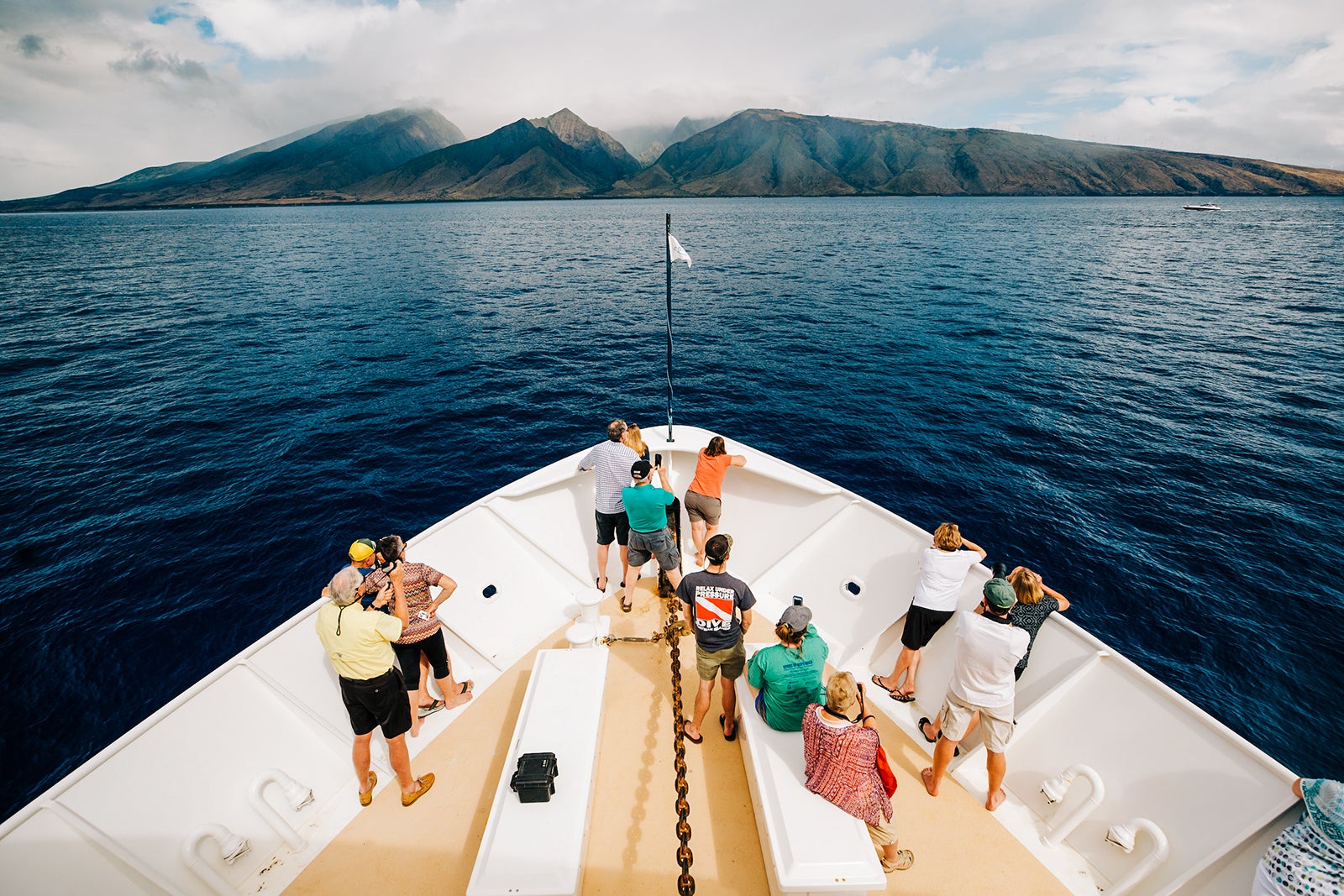
Cruise ship stabilizers improve the overall vacation experience by reducing the types of motion that are most likely to cause motion sickness.
Those who are very prone to seasickness will tell you that any movement of the boat makes them nauseous. However, for most people, the side-to-side rolling motion is usually the worst, followed by the back-and-forth motion called pitching. Deploying retractable stabilizing wings mostly reduces the rolling, but does little to stop the pitching.
Some large boats have two pairs of stabilizing fins, which help a little with pitching. The longer the boat, the less pitching the passengers feel, as the motion is distributed in several waves along its length.
Sailing on a wobbly boat takes some of the fun out of it, even if you’re not prone to seasickness. The boat’s crew may close pools and outdoor activities if the boat rocks too much. Acrobats, aerial artists, or jugglers may not be able to perform at their best, or even at all. In extreme cases, too much movement can disrupt restaurants and bars. Imagine the risk to waitstaff and customers if food, drinks, and glassware become unstable enough to slide off trays and tables.
Without stabilizers, even many fun activities would be at risk of being cancelled due to safety protocols.
Related: Do you really need a seasickness patch for a cruise?
Do all cruise ships have stabilizers?
All cruise ships have stabilizers of one kind or another. Almost all modern ocean-going cruise ships have retractable fin-type stabilizers. Smaller coastal ships and ferries often lack them, as they are useless in narrow straits and channels and at low speeds. These ships rely instead on ballast systems and hull design to combat the awkward motion.
Which cruise ships have the best stabilizers?
He Newer the boatThe more advanced the stabilization system, the more likely we are to have a highly sophisticated, computer-controlled stabilization system capable of producing the smoothest flight possible. Imagine fins that tilt and turn slightly as computer sensors detect the exact angle of the waves the boat is passing through. However, even the best stabilizers do not guarantee a complete absence of movement on board the boat.
Planning a cruise? Start with these stories:
