

Mont Blanc is one of those climbs that is on the bucket list of almost every mountain lover.
At 4,805 meters, it is the highest peak in the Alps and Western Europe, and one of the most emblematic peaks in the world. Every year, thousands of climbers try to reach the summit. But despite its popularity, Mont Blanc is far from an easy mountain.
I climbed Mont Blanc via the Cosmiques route with a certified mountain guide and quickly realized that while it is considered accessible, it is much more demanding than most people expect.
If you are planning to climb Mont Blanc, preparation is much more important than most first-time climbers expect. Here’s what you need to know before committing to the promotion.
How difficult is it to climb Mont Blanc?
Mont Blanc is often described as “non-technical,” but that description can give people the wrong impression.
You don’t need advanced climbing skills for the standard routes, but you’ll still have to deal with:
- High altitude at almost 4,800 meters.
- Long days at the summit (often 8 to 12 hours)
- Glacier travel (crevasses, rope techniques)
- Objective risks such as rockfalls and climate changes.
On my climb, the biggest challenge was not the technical difficulty, but the combination of altitude, exposure and duration, something that is much easier to handle with an experienced guide.
Many climbers with limited technical experience attempt Mont Blanc, but only with proper preparation and usually with a professional guide.
Related reading: The best places for hiking and camping in Europe
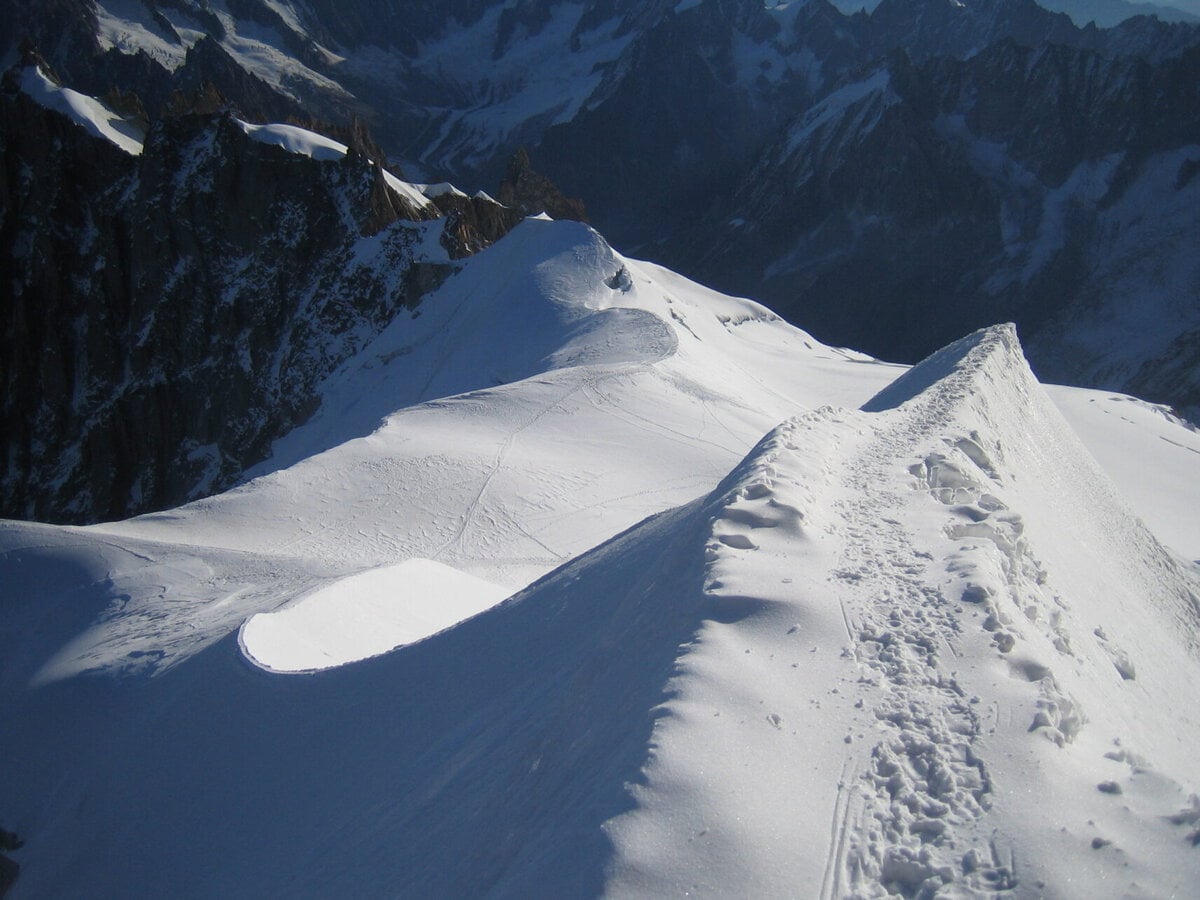
The main routes to the summit
There are several routes to climb Mont Blanc, each with different levels of commitment, technical difficulty and objective risk.
The Goûter Route (Normal Route)
The Goûter Route is the most popular way to climb Mont Blanc and the option chosen by many first-time alpine climbers.
It usually starts in Les Houches or Saint-Gervais and involves:
- A night at the Tête Rousse refuge
- Crossing the Grand Couloir (prone to rockfalls)
- A second night at the Goûter refuge
- A push to the summit along the Bosses ridge
Duration: 2-3 days
Difficulty: Moderate (but serious due to objective risks)
The Grand Couloir is one of the biggest dangers on the route due to frequent rockfalls, especially during warm summer afternoons.
In high season, this route can be crowded. Hundreds of climbers can attempt to reach the summit in the same weather window, often creating queues near narrow sections of the ridge.
The route of the Three Mountains
This is the route I climbed and generally considered the more technical alternative.
This route crosses:
- Mont-Blanc de Tacul
- Mont-Maudit
- Mont Blanc
Compared to the Goûter route (the most common option), this climb was more exposed and physically demanding, especially in the steeper sections and at altitude.
It involves steeper terrain and exposure to seracs and avalanche risk.
Duration: 2 days
Difficulty: More technical and demanding
The route is also more exposed to avalanche and serac danger depending on conditions.
The Italian route through Gonella Hut
A less crowded and more remote alternative, starting from the Italian side of the mountain.
It is usually climbed early in the season as conditions become more unstable in late summer.
- Access through the Miage Glacier
- Accommodation at Gonella Hut
- It joins the final section of the Goûter route
Duration: 2-3 days
Difficulty: More remote and a little more logistically complex
This can be a good alternative when the shelters on the French side are full, although it requires more flexibility and experience.
When is the best time to climb Mont Blanc?
The main climbing season runs from June to September.
July and August
These are traditionally considered the best months for stable weather and summit conditions. They are also the busiest.
Warmer summers in recent years have increased the risk of rockfalls, especially on the Goûter Route during hot afternoons.
June and September
These months are usually calmer, but weather conditions become less predictable.
Good climbing conditions generally mean:
- clear skies
- Cold temperatures at night
- low wind
- Stable snow cover
Even during the high season, the climatic windows can close quickly. Many climbers spend days waiting in Chamonix for conditions to improve.
Do you need a guide?
Technically, no. Many experienced mountaineers climb Mont Blanc independently.
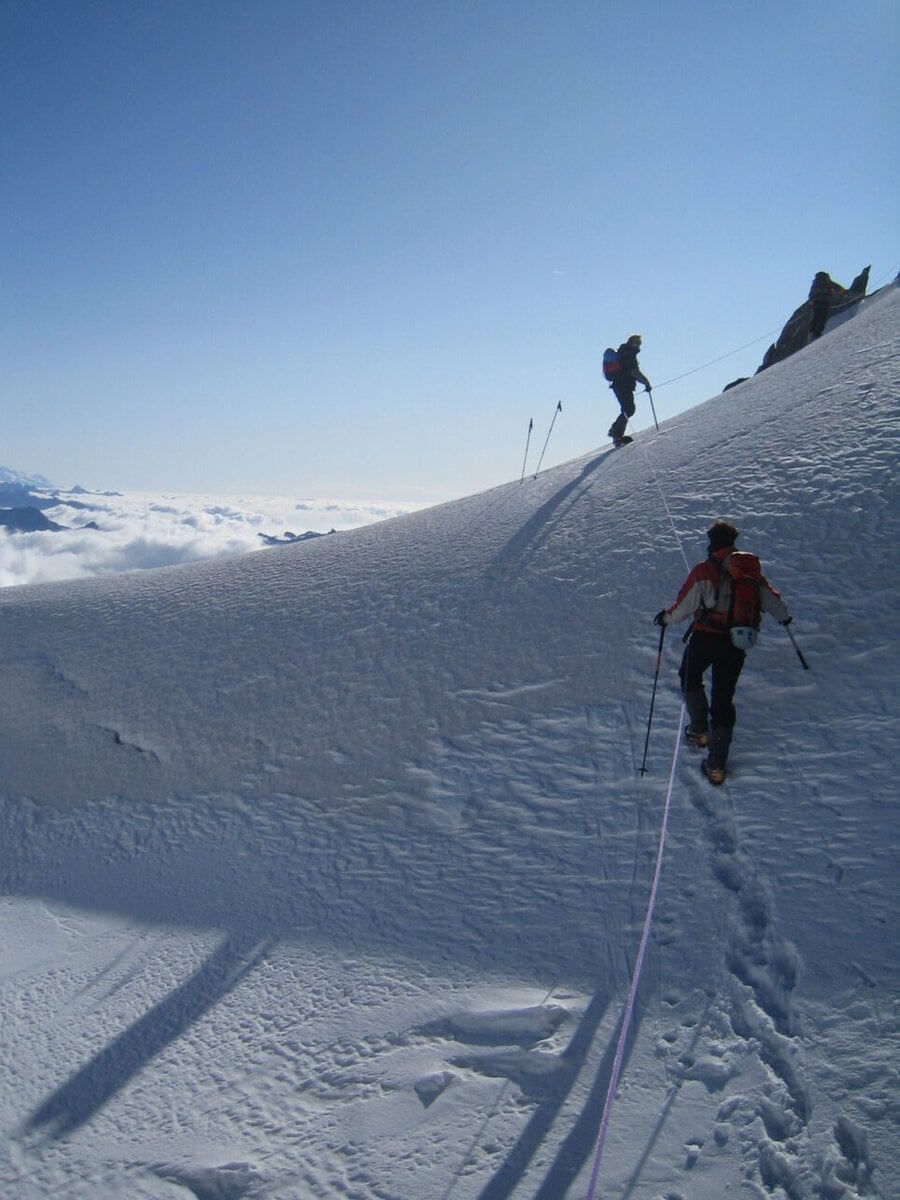
However, for most people, hiring a certified mountain guide is the safest and most realistic option.
Having a guide changed the whole experience for me. Pace, timing, route decisions, and energy management became much easier to manage with someone experienced in making those calls.
A guide also helps with:
- Glacier navigation
- Knowledge about crevasse rescue
- Assessment of weather and avalanche conditions
- Rope management
- Summit schedule
On a mountain where conditions can change in a matter of hours, experience matters.
How much does it cost to climb Mont Blanc?
Prices vary depending on duration, services and group size.
Typical ranges:
- 2-3 day ascents: €900-2000 per person
- Longer programs (with acclimatization): €2,000-€3,500+
Additional costs may include:
- Cabin accommodation
- Lift passes (Aiguille du Midi, tram)
- Equipment rental
When should you book?
One of the most underrated parts of climbing Mont Blanc is getting reservations at the huts.
The main huts, especially Goûter Hut and Tête Rousse Hut, generally open for bookings in December and can sell out within weeks.
For a summer climb, it is usually necessary to book 6 to 9 months in advance.
If you plan to climb with a guiding company, many operators secure cabin spaces in advance, which can simplify logistics considerably.
How to prepare for Mont Blanc
Physical preparation is essential.
Before attempting Mont Blanc, you should comfortably be able to:
- 8 to 10 hour hike with a backpack
- Drive between 1,200 and 1,800 meters of elevation gain in one day
- Move efficiently in cold conditions
- Recover well on consecutive days
Previous altitude experience also helps significantly. Many climbers prepare with alpine ascents in the 3,000 to 4,000 meter range before attempting Mont Blanc.
Technical preparation should include:
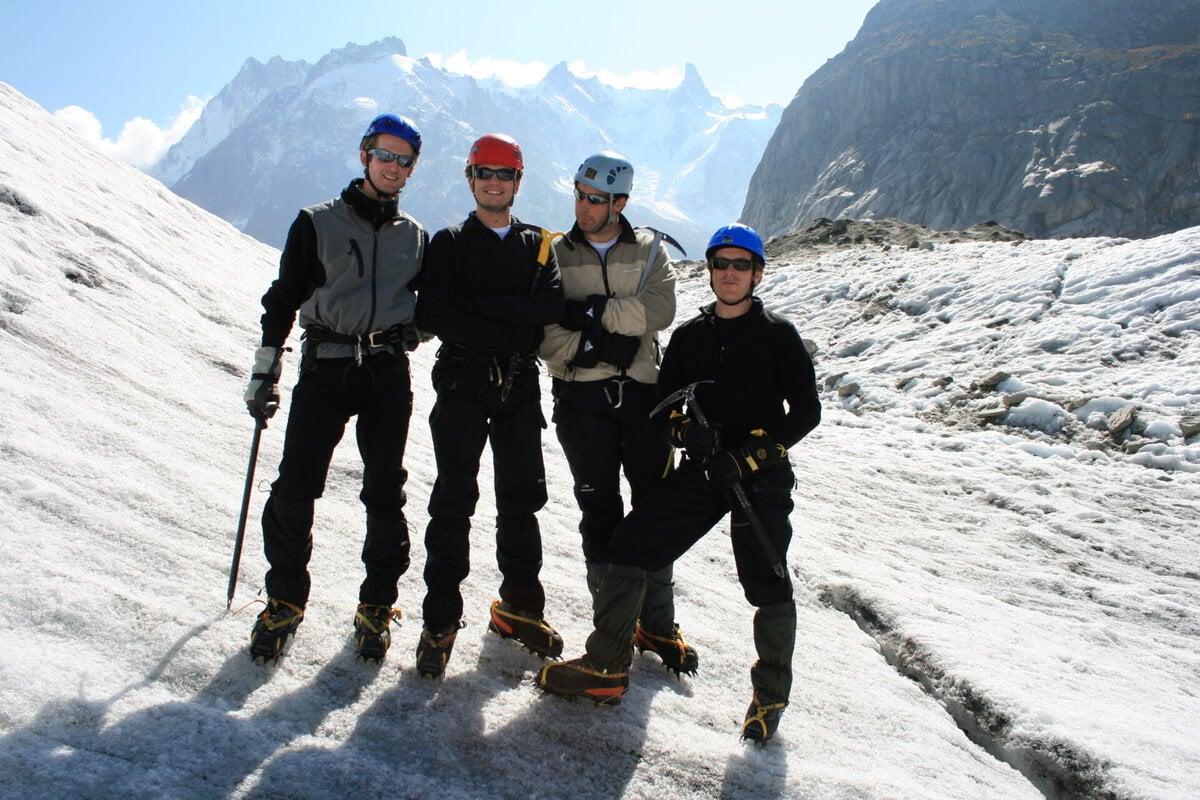
- Walking with crampons
- Ice Ax Basics
- Rope displacement techniques
- Glacial movement
Popular acclimatization climbs include peaks such as Gran Paradiso or shorter alpine objectives around Chamonix.
Related reading: Gear Guide: Camping and Hiking Essentials
The biggest risks on Mont Blanc
Mont Blanc is not dangerous because of technology. The danger of Mont Blanc comes less from the technical difficulty of the climb and more from objective dangers that cannot be completely controlled.
The main risks include:
- Rockfall
- Avalanches
- Cracks
- Sudden weather changes
- altitude sickness
The Grand Couloir of the Goûter route is especially known for rockfalls. Crossing it safely often means moving very early in the morning, before temperatures rise.
Altitude is another important factor. Even the strongest hikers can have difficulty above 4,000 meters if they have not acclimatized properly.
Practical information
Best base city
Most climbers start from Chamonix.
climbing season
June to September
Typical summit duration
- Goûter Route: 2-3 days
- Trois Monts Route: 2 days
Fitness level
Great stamina is required. Suitable for experienced hikers with good cardiovascular condition.
Necessary equipment
- mountain boots
- Crampons
- ice ax
- Leverage
- Helmet
- Warm alpine clothing
Many climbers rent technical equipment in Chamonix.
Crowd levels
During the peak weather windows of July and August, hundreds of climbers can attempt to reach the summit in a single day.
Final thoughts
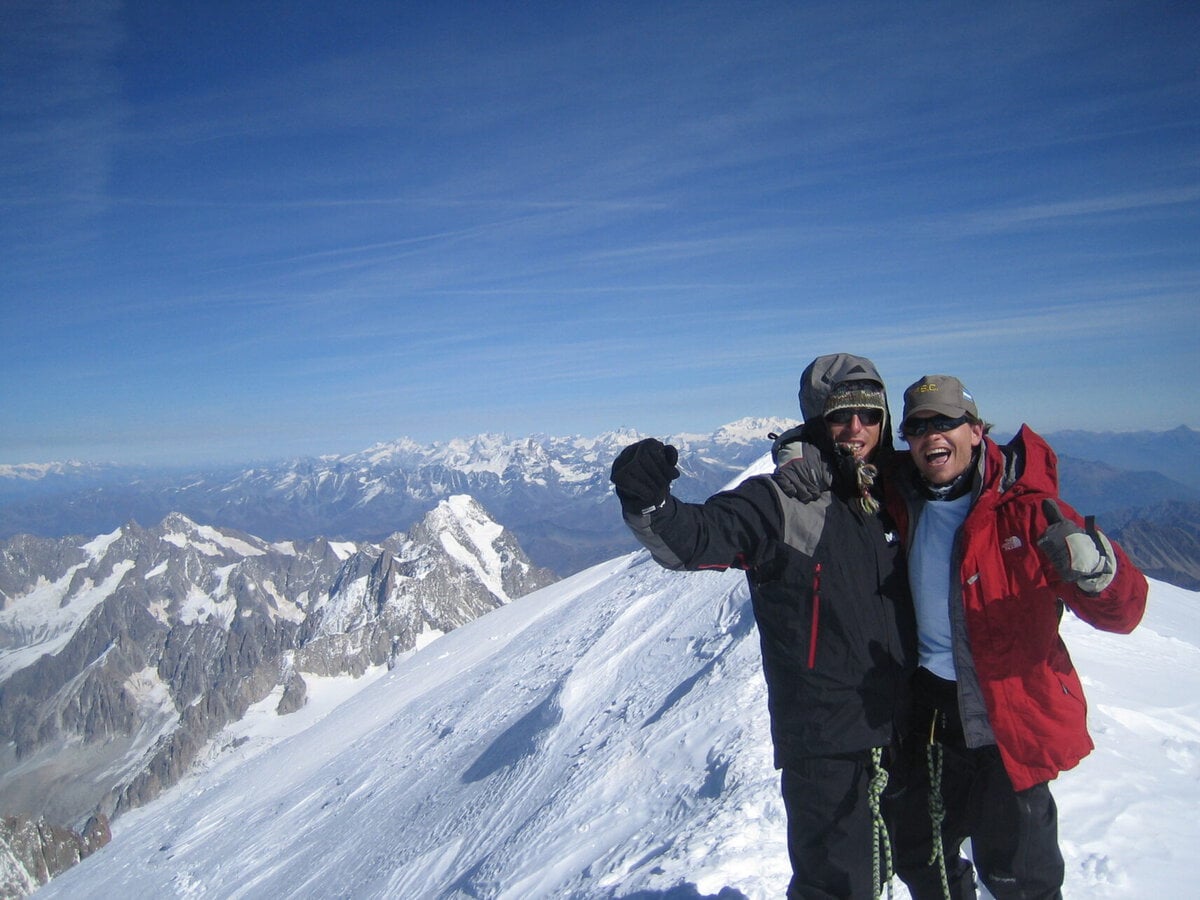
Climbing Mont Blanc is an incredible experience, but it should not be taken lightly.
The biggest surprise for me was how exhausting the climb was, even with good physical shape. The altitude and long effort of the summit make it a serious challenge, much more than most people anticipate.
If you’re planning your climb, it’s worth exploring. different guided optionsroutes and group formats to find what best suits your experience level and goals.
On any big mountain, success is never guaranteed and sometimes turning back is part of the experience.
But with proper preparation, realistic expectations, and good conditions, climbing Mont Blanc is an achievable goal for many motivated climbers.
Frequently asked questions
Can beginners climb Mont Blanc?
Yes, but beginners should not attempt it without proper preparation and a certified guide. Good physical condition, some alpine experience and basic crampon skills make the experience much safer and more enjoyable.
How long does it take to climb Mont Blanc?
Most climbs last between two and three days, although many guided programs add additional acclimatization days beforehand to improve summit success rates.
What is the success rate when climbing Mont Blanc?
Success rates vary depending on weather and trail conditions, but many guiding companies estimate between 50% and 70% in general. Weather is often the deciding factor rather than fitness alone.
Is altitude sickness common on Mont Blanc?
Yes. Even climbers in good shape can experience headaches, nausea, dizziness or fatigue above 4,000 meters. Taking time to acclimatize beforehand helps significantly reduce risk.
What is the most difficult part of climbing Mont Blanc?
For many people, the hardest part is the summit day itself. The combination of altitude, cold temperatures, lack of sleep, and long hours of travel creates cumulative fatigue.
Is the Goûter Route dangerous?
The route itself is not very technical, but objective dangers such as rockfall make it serious. Conditions change each season, which is why many climbers rely on local guides for up-to-date safety assessments.
